
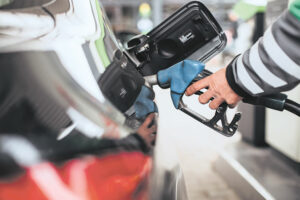
One of the most frustrating headlines Filipinos often read is rising fuel prices. This is because every time pump rates jump, many Filipinos quietly rethink one of their big purchases: their next car. Add growing concern about climate change and worsening floods, and purchasing cars can be very problematic with increasing concerns on fuel economy, emissions, and long-term cost of ownership.
The rising costs of fuel, mostly due to the war on Ukraine, supply disruptions, and global shortages of available supply, are well-known among car owners in the country. Just in the third week of November this year, per-liter price increased by P1, extending gasoline’s streak of hikes to seven weeks. Add this to the fact that so much of the country’s energy use still relies on oil and transport, households are directly exposed to global price volatility.
Unsurprisingly, fuel efficiency has moved from “nice to have” to “non-negotiable” for many buyers. This has resulted in growing interest in smaller engines, start-stop systems, and fuel-saving technologies, while some families delay upgrading to bigger vehicles out of fear of future fuel shocks.
Having a similar impact on Filipino car-buying behavior is the growing environmental awareness among consumers. A great reminder of the need to be environmentally aware came in the last month when several typhoons ravaged scattered regions in the Philippines resulting in flooding, landslides, and loss of lives.
While not blamed as the direct cause of climate change, severe weather events, worsening urban air pollution, and recurring floods have made the environmental footprint of vehicles a mainstream talking point rather than a niche concern. If a decade ago the typical car buyer only cared about horsepower, ground clearance, and monthly amortization, today more Filipinos are asking about carbon emissions, alternative powertrains, and whether their next purchase aligns with a more sustainable lifestyle.
Freepik | Aleksandarlittlewolf
This shift is most visible in the surge of interest in hybrid vehicles and full electric cars. Last year, around 18,690 units of electric vehicles were sold in the country. This year, the Chamber of Automotive Manufacturers of the Philippines, Inc. (CAMPI) forecasted a possible growth rate of 7% which could amount to nearly 35,000 electric cars sold, supported by the zero import tariffs on such vehicles and the rollout of new models.
“The growth of EV sales is expected to track overall industry sales growth, driven by increasing consumer adoption, supportive government policies, expanding charging infrastructure and entry of more players,” CAMPI President Rommel Gutierrez reportedly said in a BusinessWorld report.
Current numbers show that while 7% may be a too optimistic projection, electrified vehicle sales reached 20,662 units in the first nine months of 2025, representing 6% of total sales. Additionally, the Electric Vehicle Association of the Philippines (EVAP) and the Department of Energy (DoE) expect EV registrations to reach 35,000 by yearend, up from 29,715 as of July.
Still, the transition is far from straightforward. Even as electrified options gain traction in the country, a number of barriers prevent large-scale adoption. The most frequently cited challenge is the limited charging infrastructure, which remains heavily concentrated in Metro Manila and a few major cities.
Although, there has been major progress in this particular area. In 2023, only 300 public charging stations were available for EV owners. As of March of this year, that number has tripled throughout the archipelago with the DoE aiming to build several thousands more to over 7,300 public charging stations by 2028. Nearly 12% of these public charging stations are found among SM Supermalls (69), Ayala Malls (31), Megaworld Lifestyle Malls (5), and Robinsons Malls (4).
Beyond electrification, the larger story is how Filipino car-buying behavior itself is changing. A decade ago, decisions were influenced heavily by aesthetics, engine power, and monthly amortization. Today, the mindset is more analytical. Buyers weigh fuel consumption, potential long-term savings, maintenance and parts availability, resale value in a market that is slowly shifting toward efficiency, and the broader environmental impact of their choice.
Ultimately, what is happening in the Philippines mirrors a broader global pattern in which rising fuel prices and environmental pressures influence consumer mobility choices. However, local realities such as limited infrastructure, budget-conscious buyers, and a deeply car-centric culture, mean that the shift will be gradual rather than abrupt. And how quickly that change happens may shape the future of mobility in the Philippines. — Jomarc Angelo M. Corpuz
